

In every journey, we find tips, tricks, and tools that can help us move along the path we’re taking more effectively. Healing from complex trauma is no different. I’m not a therapist, psychiatrist, or in any way capable of providing you with advice on how you can move along the path most effectively – I’m merely someone who has walked the path and found tools that helped me along the way.
Books
I’ve always been a vivacious reader, books provided me with an escape from the situations I was living through and gave me a way to process what I was feeling. I started reading “Self-Help” books when I was a teenager, living in the chaos I was living in I didn’t have someone I could talk to about how I was feeling or what I was thinking, and found books gave me insight into how I could process those thoughts and feelings. Even now, I’ve found several books that I recommend to anyone working through complex trauma because they are able to provide that insight and have allowed me to process.
Complex PTSD Workbook: A Mind-Body Approach To Regaining Emotional Control And Becoming Whole
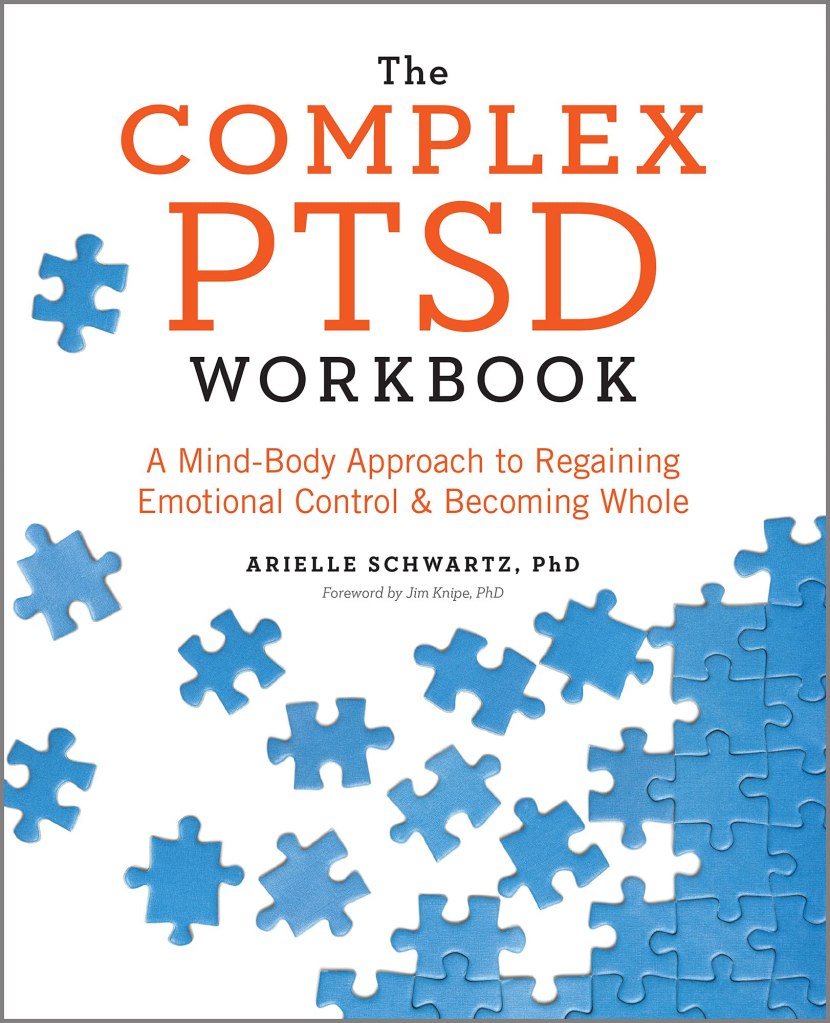
This book has been the one my therapist and I use the most, it provides a hybrid approach to “self-help” because it’s written as a workbook so it contains areas for you to journal and process everything that you’ve read.
A Practical Guide to Complex PTSD: Compassionate Strategies to Begin Healing from Childhood Trauma

Written by the same author as above this book is a helpful reference book and companion to the workbook I already mentioned. It’s available as an EBook which makes it handy for me to have it downloaded and available on my phone when I need to reference it quickly.
The Body Keeps the Score: Brain, Mind, and Body in the Healing of Trauma
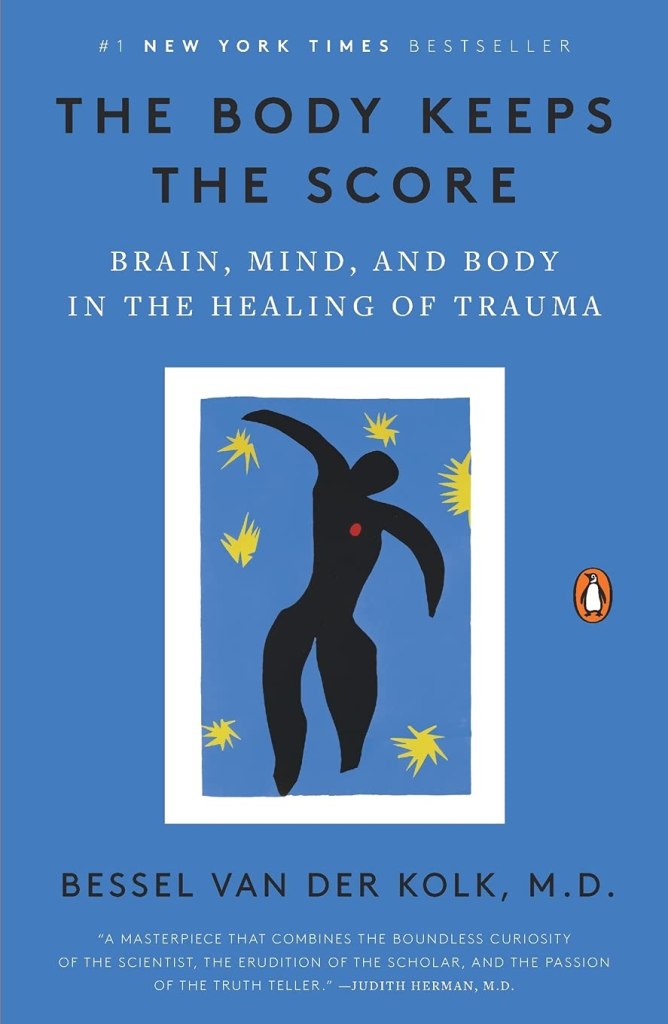
Dr Van Der Kolk wrote the first book I read on trauma and helped me understand that a lot of the physical symptoms I was experiencing were tied to the trauma I’d survived. His work has been referenced by countless other professionals and is considered to be one of the foremost works on post traumatic stress.
What Happened to You?: Conversations on Trauma, Resilience, and Healing

I personally enjoyed listening to this as an audiobook and hearing the conversation between Oprah and Dr. Perry more than reading the book itself. My therapist enjoyed reading it more than listening so I think it might depend on your own preference. It’s a powerful conversation between two experts on trauma and reinforces that it’s not about “what’s wrong with you” but rather “what happened to you”.
Apps
The app stores are filled with “self-help” apps and it can be hard to navigate and wade through to find the ones that are actually worth the download and even more so the ones that are worth paying for the premium content.

I use this app when I’m feeling overwhelmed and need to meditate. Part of my healing has focused on bringing my attention to the “now” instead of the “then” and grounding myself in the present moment. Available as a monthly or annual subscription I have found this one to be worth the cost.

This is the first app that my therapist recommended to me, I personally don’t find it worth the cost of an annual subscription but I do know others who have found it helpful and use it regularly. I prefer Headspace for my meditation.

I use this as my “emergency” panic attack app, when meditation and grounding techniques have failed and I am in full panic mode I have found this app useful and helpful in bringing me back on solid ground. It has a red button known as Rootr that with one press will ask if you want to face the panic head on or if you want them to contact a trusted friend to help you through it.
These are just a few of the tools I’ve found to help me along in my journey to feeling empowered and reclaiming the life that I want to have. I encourage you to work with a qualified mental health professional to find other techniques that might work for you.
 Letters of Healing